A mini-tool that converts YouTube videos into reading documents and sends to Kindle

We all believe we need to keep learning. And we do.
But here's what actually happens.
There are infinite podcasts to listen to. Each one is an hour long. Some are two. And there's no world where we can listen all day — we have companies to run, decisions to make, people to manage.
Even the ones we do get through? We half-listen while doing something else. We tell ourselves we'll come back to that one part. We never do. By the time the episode ends, most of it is already gone.
And the worst part isn't the lost information.
It's the quiet guilt sitting in the background — that low-grade feeling that everyone else is keeping up and you're falling behind. That your competitors are absorbing three podcasts a day while you can barely finish one a week.
That guilt takes up mental bandwidth. And mental bandwidth is the one thing you actually can't afford to lose.
The real problem isn't time — it's the format
I used to think the problem was discipline. If I could just find more time to listen, I'd stay current. But that's not how it works. The format itself is broken for how busy people actually operate.
Audio is linear. You can't scan it. You can't highlight it. You can't skip to the part that matters without scrubbing through forty minutes of build-up. And you can't half-listen to a podcast while making decisions about your business without losing both.
Meanwhile, reading is the opposite of all of that.
Reading is fast. A two-hour podcast becomes twelve pages. You can scan, highlight, take notes, skip sections, and re-read the parts that matter. Your brain retains more because you're actively processing instead of passively hearing.
The problem was never "I don't have time for podcasts." The problem was: why am I spending two hours listening when I could spend twenty minutes reading the same material?
So I built something to fix it
I sat down one afternoon and built a simple tool using Claude. No engineering team. No budget. Just a conversation about what I wanted.
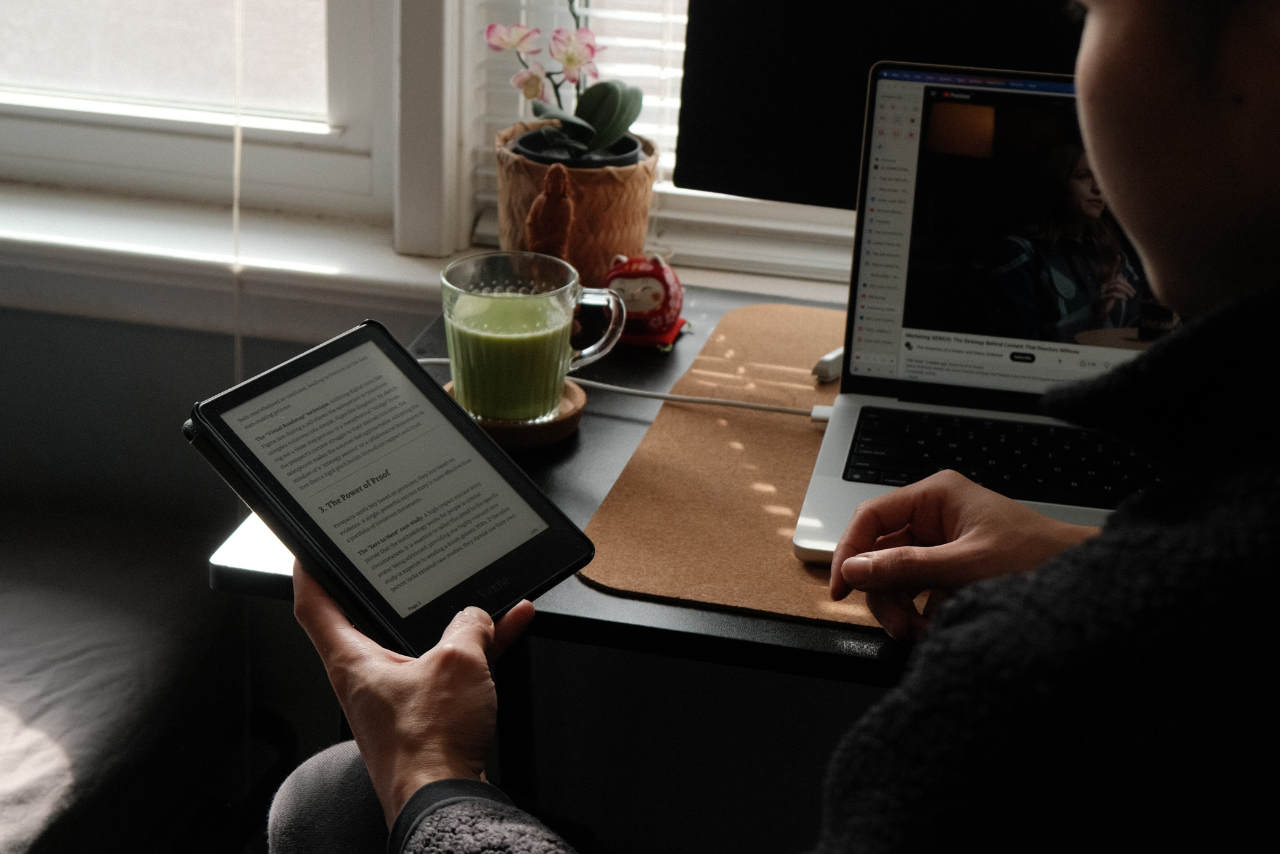
The tool does one thing: it takes any YouTube video — a podcast, a lecture, an interview — and turns it into a clean, well-structured reading document. Then it sends that document straight to my Kindle.
That's it.

Paste a link. Click a button. That's the entire experience.
How it works
There are three things happening behind the scenes:
First, it grabs the words. YouTube already has transcripts for most videos — those auto-generated captions you sometimes see. The tool pulls that raw text automatically. No manual copying, no listening required.
Second, it rewrites everything. This is the part that actually matters. A raw transcript is unreadable — full of "um"s, tangents, half-finished thoughts, and zero structure. So the tool sends that mess to Google's Gemini AI with specific instructions: turn this into something I'd actually want to read. Clean structure. Clear headings. The key ideas extracted, organized, and made scannable.
Third, it delivers to my Kindle. The rewritten document gets packaged as an e-book file and emailed to my Kindle. Every Kindle has an email address — when you send it a document, it just shows up. Within minutes, it's sitting on my device, ready to read.
What the reading format looks like
Every document comes out the same way:
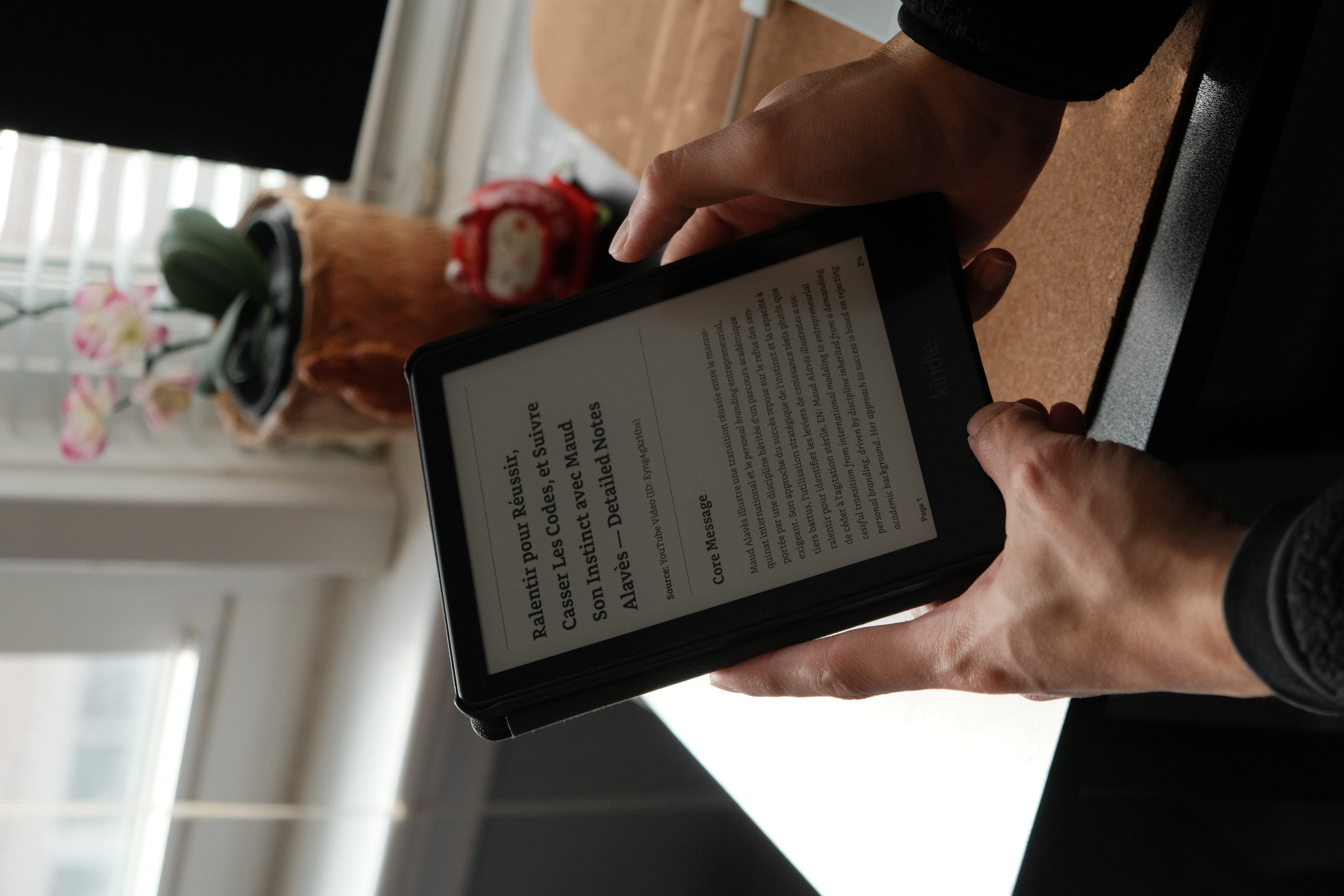
A core message up top — two or three sentences summarizing the entire video so I know the thesis before I start. Then numbered sections, each covering one big idea with explanations and examples pulled from the original content. And a summary table at the end — a quick-reference grid I can glance at a week later to remember the key points without re-reading.
It's not a transcript dump. It's closer to what a great executive assistant would hand you if you said: "I don't have an hour. Give me the twelve pages that matter."
Why the Kindle (and not just a PDF on my laptop)
This was a deliberate choice.
I spend my entire workday staring at screens. By the time I get to the end of the day — which is when most of my important decisions happen — my eyes are done. Another hour of screen time for "learning" isn't learning. It's just more fatigue wearing a different hat.
The Kindle has no notifications. No tabs. No blue light. It does one thing: display words on a screen that looks like paper.
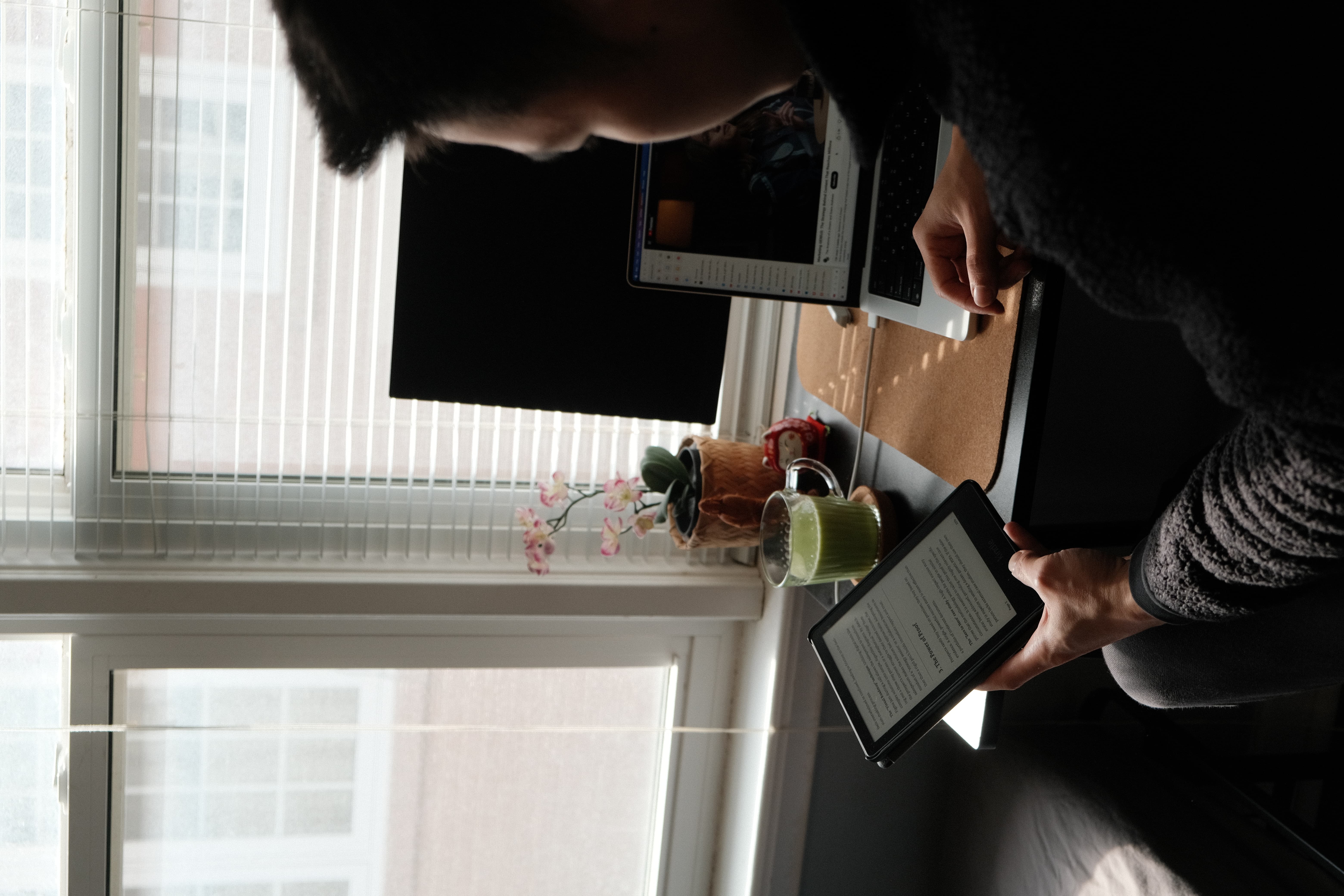
I read these documents with my morning coffee. Or on the couch after dinner. I highlight. I write notes in the margins. I actually retain it — because I'm reading with focus, not competing with twelve open browser tabs.
If you use a reMarkable, same thing. Any e-reader that accepts documents works.
What changed
Before this tool, I had a podcast queue of thirty-plus episodes I felt guilty about not finishing. I was "learning" for hours a week and retaining almost nothing. And every time someone referenced a podcast I hadn't heard, there was that small voice: you're falling behind.
Now I process three to five videos a week. It takes me about twenty minutes per document to read. That's less than two hours a week for content that used to demand ten.
I highlight the parts that matter. I come back to them. I actually use what I learn in conversations, in strategy, in decisions.
And the guilt is gone — because I'm not behind anymore. I'm just consuming information in a format that actually works for how my brain and my schedule operate.
How I built it (and what that says about where we are)
Here's the part I want you to sit with.
I'm not an engineer. I don't write code for a living. I built this in an afternoon by having a conversation with Claude — describing what I wanted, step by step, and letting it write the code while I made the decisions about how it should work.
That's it. No developer hired. No sprint planning. No waiting three weeks for a quote.
I had a problem that was costing me mental bandwidth every single day. And in one afternoon, I solved it permanently.

This is what I mean when I talk about AI as self-leverage. Not the big enterprise stuff. Not the buzzwords. Just a founder with a specific problem and a tool that helps them solve it — in hours, not months.
The tool I built is specific to me — my reading format, my Kindle, my learning habits. But the approach works for any repetitive problem that's draining your bandwidth:
The weekly report you manually compile from three different sources. The onboarding explanation you give every new client. The research you do before every sales call. The content ideas trapped in your head that never make it to paper.
Each one of these is an afternoon conversation away from being solved.
The bigger point
We talk a lot about learning as founders. Read more books. Listen to more podcasts. Stay current. And all of that is true.
But nobody talks about the format tax — the hidden cost of consuming information in formats that don't match how you actually live and work.
Two hours of passive listening you half-absorb isn't learning. Twenty minutes of focused reading you highlight and revisit — that's learning.
The information was never the bottleneck. The delivery was.
Fix the delivery, and learning stops being another thing on your guilt list. It becomes something you actually look forward to.
If you're a founder sitting on a dozen problems like this one — repetitive, draining, clearly solvable but you haven't had the bandwidth to solve them — that's exactly what we help with at Leverager. We find where your mental bandwidth is leaking and build the systems that stop the leak.
